
Showroom
(24)
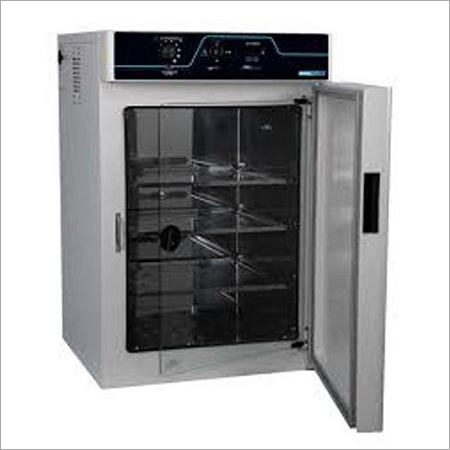
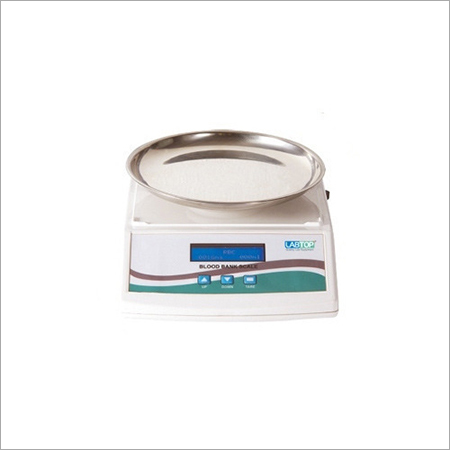
This range of Blood Bank Equipments is reckoned for its advanced features and reliable mechanism. Accessible in different specifications, these apparatus are equipped with mechanical agitating section and touch screen based operating interface.
(12)
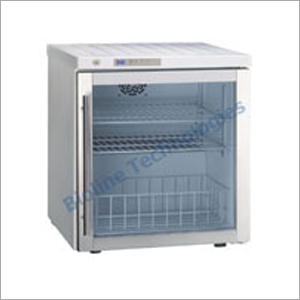
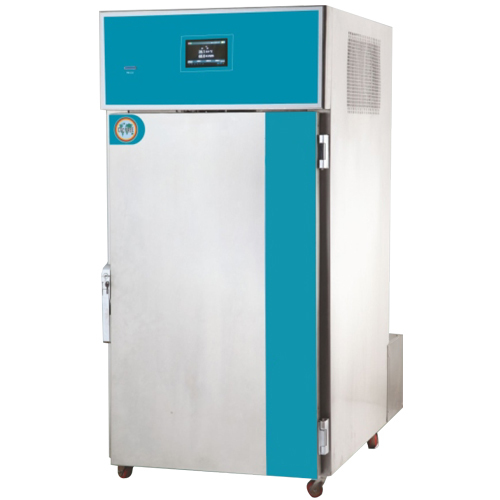
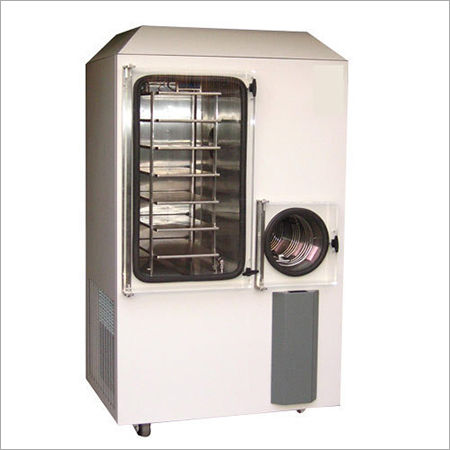
Cold Chain Equipments offered by us are reckoned for their advanced design and stable internal temperature range. Fast freezing method, corrosion proof interior and exterior, environment friendly refrigeration technique are some of their main features.
(12)
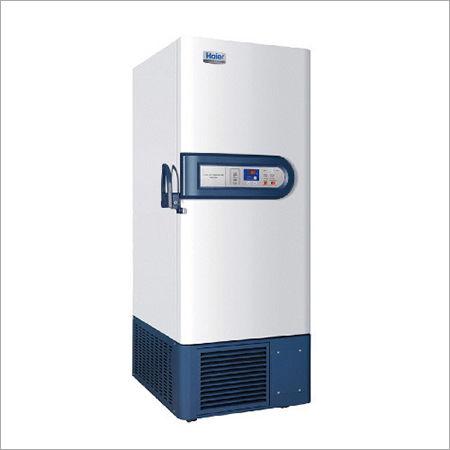
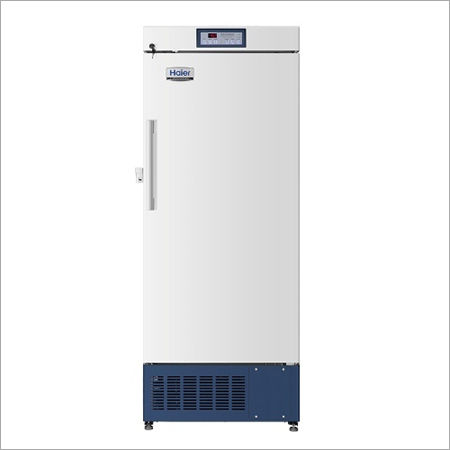
Provided Laboratory Freezers have ISO certification for their premium quality. These freezers comprise of double walled low carbon fabricated condenser, LED display screen and microprocessor. Long working life is one of their key aspects.
(1)
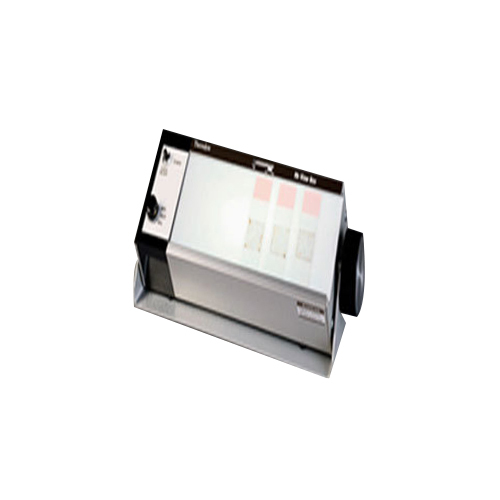
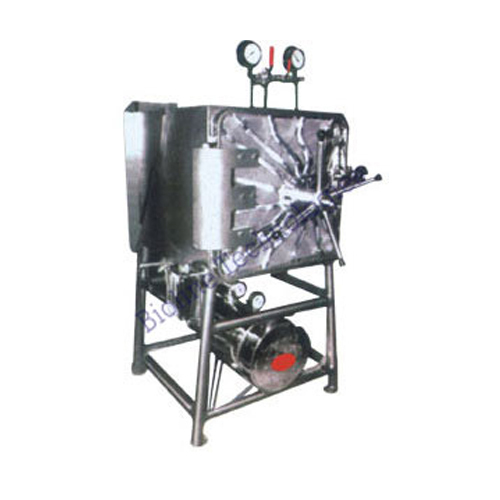
Diagnostic Equipments offered by us are used for examination of pathological samples. Touch screen based user friendly operating interface and capacity to maintain 8 degree C internal temperature are some of their main aspects.
(4)
This range of Waste Disposal Systems is effective in re-usage of industrial refuse or waste. Accessible in different design based choices, this range of machines is Eco-friendly. Light in weight, these are tear protected. All these items offered under this category have been developed by seasoned personnel.

(3)
This array of Centrifuges is well known for their maintenance free design. Compact in shape, these systems generate minimal noise and vibration. Operating method of these laboratory apparatus helps to maintain necessary hygiene. Long life span is one of their key aspects.
(3)
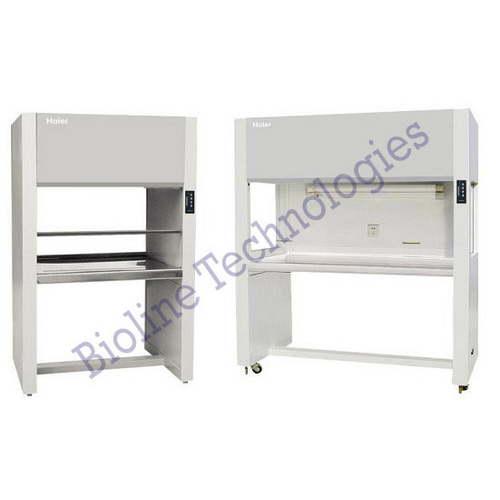
Offered range of Air Handling Equipments/Clean Air Equipments is well known for its application specific design and excellent air penetration level. These advanced air handling systems have ultrasonic technology based sealing function, digital display arrangement and high dust capturing facility.
(4)
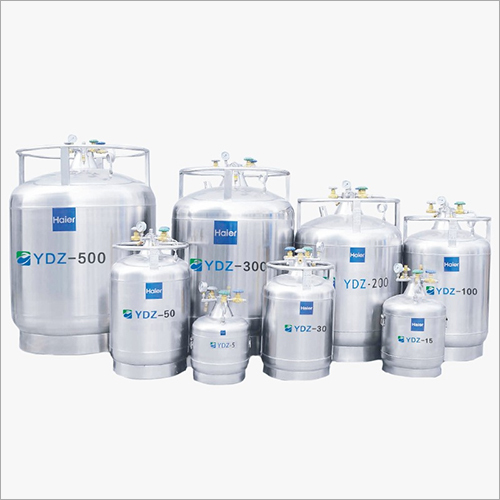
Liquid Nitrogen Containers can be availed with maximum 1800 l storage capacity. Developed from stainless steel and aluminum alloy, these products have LCD display arrangement. Advanced sensor and temperature controller are some of their important aspects.
(3)
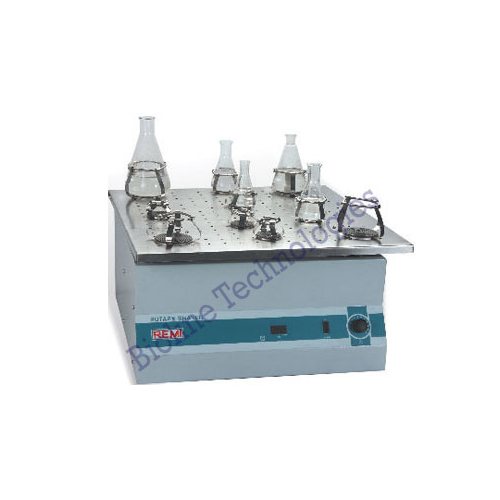
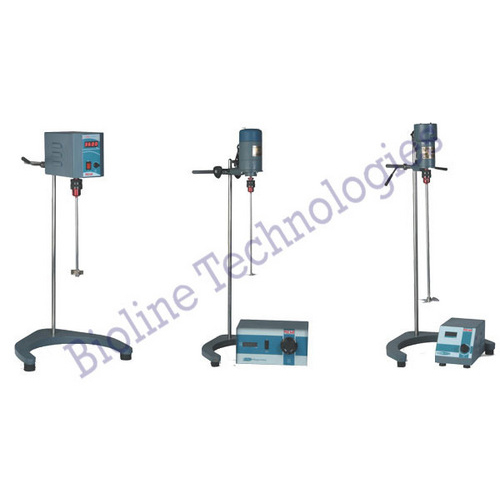
Made of mild steel or stainless steel, this range of shakers is used for homogeneous mixing of solvents and cultures. Available in different specifications, this array of laboratory apparatus has ergonomic design.

(2)
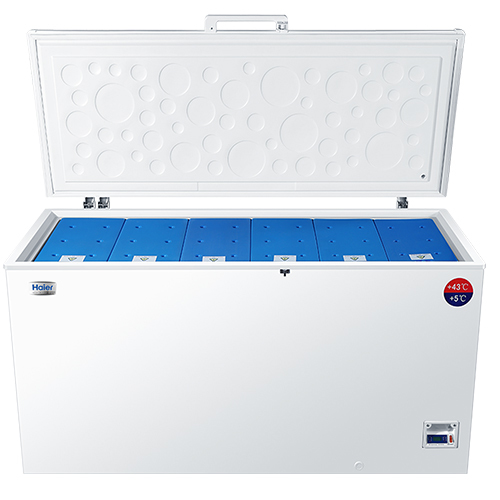
This range of Delux Model Blood Bank Refrigerators is reckoned for its standard storage space and consistency in maintaining internal temperature. Cold rolled steel made insulated structure of these refrigerators helps to maintain required internal temperature.
(2)
Offered assortment of computer controlled Ice Lined Refrigerators has been designed as per global norms. Certified by UNICEF and WHO, these refrigeration systems use R404A refrigerant that minimizes their emission rate.
(3)
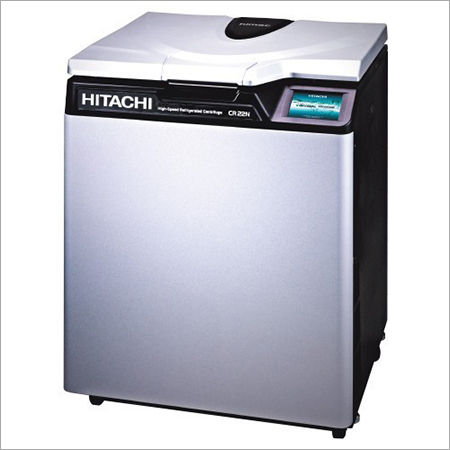
Developed from cold rolled steel, this range of Laboratory Centrifuges is appreciated for environment friendly operation and reliable functioning. These are equipped with velocimetry observation window, frequency conversion motor and closed lock.
(1)
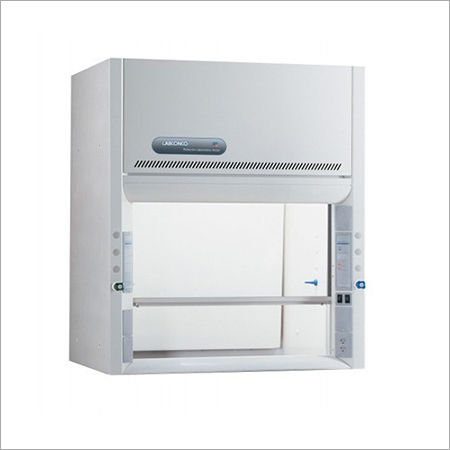
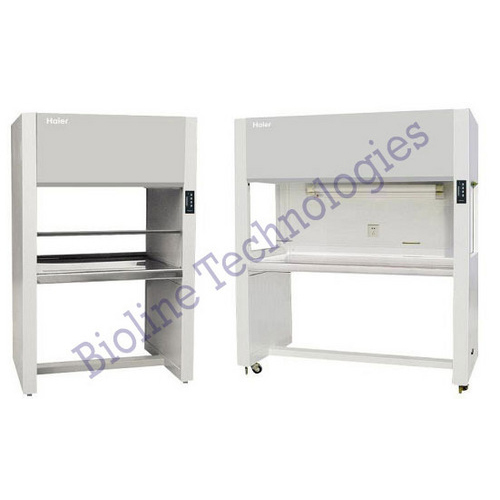
This range of precisely shaped Clean Room Equipments is appreciated for its reliable functioning. These systems comprise of advanced LCD control panel, safety glass observation window and noise controlling arrangement.
(2)
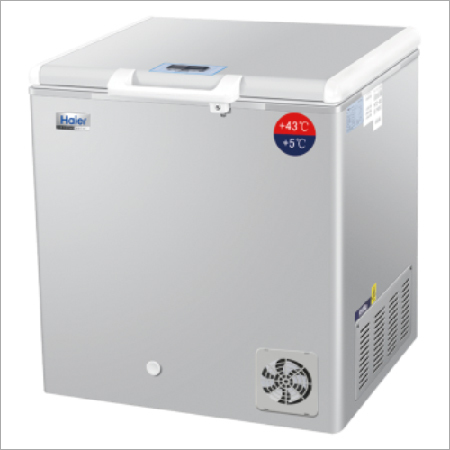
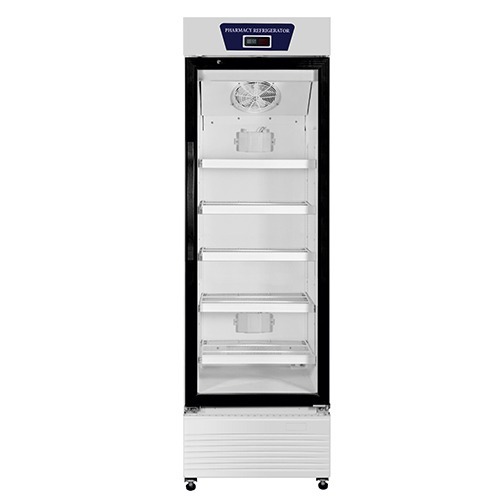
Certified by WHO and UNICEF, this range of Medical Equipments uses R600A/R134A refrigerant to reduce its emission rate. Precise temperature controlling function and safety lock system are some important aspects of these equipments.
(1)
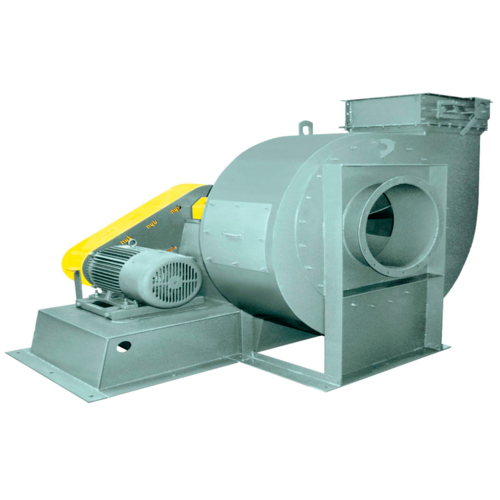
Air Pollution Control Systems offered by us are useful for effective removal of gas, smoke, fume and heated air produced inside furnace, klin and boiler. Mechanism of these equipments is in sync with ISO or GMP guidelines.
(2)
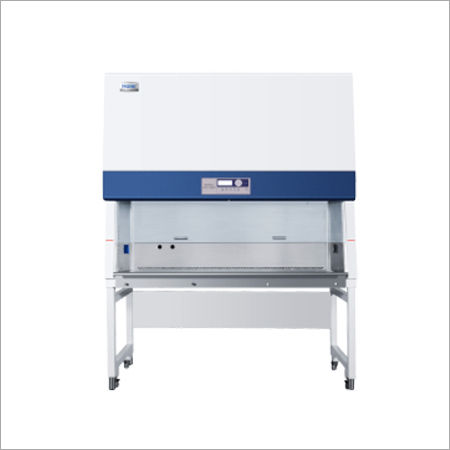
Biosafety Cabinets are used for maintaining safety of laboratory workers engaged in handling of infectious microorganisms. These HEPA filter equipped cabinets have all the modern amenities needed to safeguard laboratory personnel. Design of this range of products conforms to global norms.
(1)
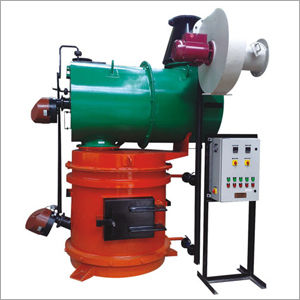
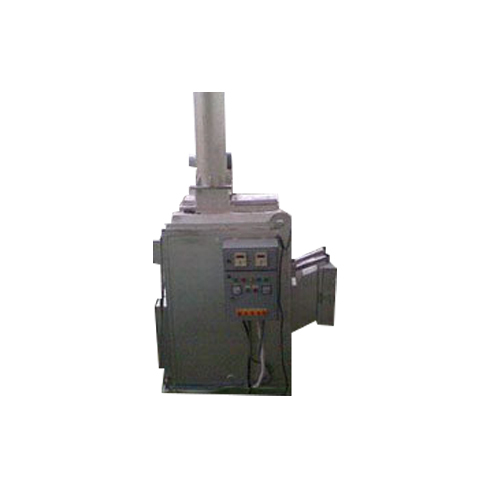
Medical Waste Incineration controlling equipments offered by us are approved by CE for their standard quality. Driven by PLC controller, this range of systems conforms to EU, USEPA and CPCB guidelines.
(4)
(11)
(4)
(7)
(5)
(4)
We are not dealing in Retail and Commercial.
Contact Us

- Sales Office- 404 /405, Shantidham Heights, New Parsik Service Road, Parsik Nagar, Kalwa WestThane - 400605, Maharashtra, India
- Phone : 08045477239
BIOLINE TECHNOLOGIES
GST : 27ADNPC4298C1ZI

- Mr. Deepak (Director)
- Mobile : 08045477239
- Send Inquiry
- Direct No. : +917304086999
 Send Inquiry
|

 Send Inquiry
 Send SMS
 Call Me Free
BIOLINE TECHNOLOGIES
All Rights Reserved.(Terms of Use)
Developed and Managed by Infocom Network Private Limited.
Developed and Managed by Infocom Network Private Limited.


